
Effect of Aerobic Exercise and WB-EMS on Muscle Strength
The Electrifitty study aimed to analyze the added effect of whole-body electrostimulation on various health and sports performance variables. Among all the variables, we highlight strength testing as an important parameter of body composition. However, we must be aware that cardiovascular training has never produced improvements in muscle strength levels. At Wiems Lab, we wanted […]
The Effect of Aerobic Exercise and WB-EMS on Cardiovascular Fitness
We know that aerobic exercise has been and is one of the great pillars of the wide range of possibilities for physical exercise. Society has caused aerobic exercise to be directly related to extensive continuous aerobic exercise. With this in mind, we should mention the importance of cardiorespiratory fitness in terms of health parameters, since […]
Effect of Aerobic Exercise and WB-EMS on Body Composition
We have already analyzed in the previous post how we conducted the Electrifitty Study and the variables used in aerobic exercise. In this post, we are going to delve into other variables, those related to body composition and DXA. It is worth noting that body composition and anthropometric measurements are, in addition to body image […]
Electrifitty Study: The Effect of Electrostimulation on Aerobic Exercise
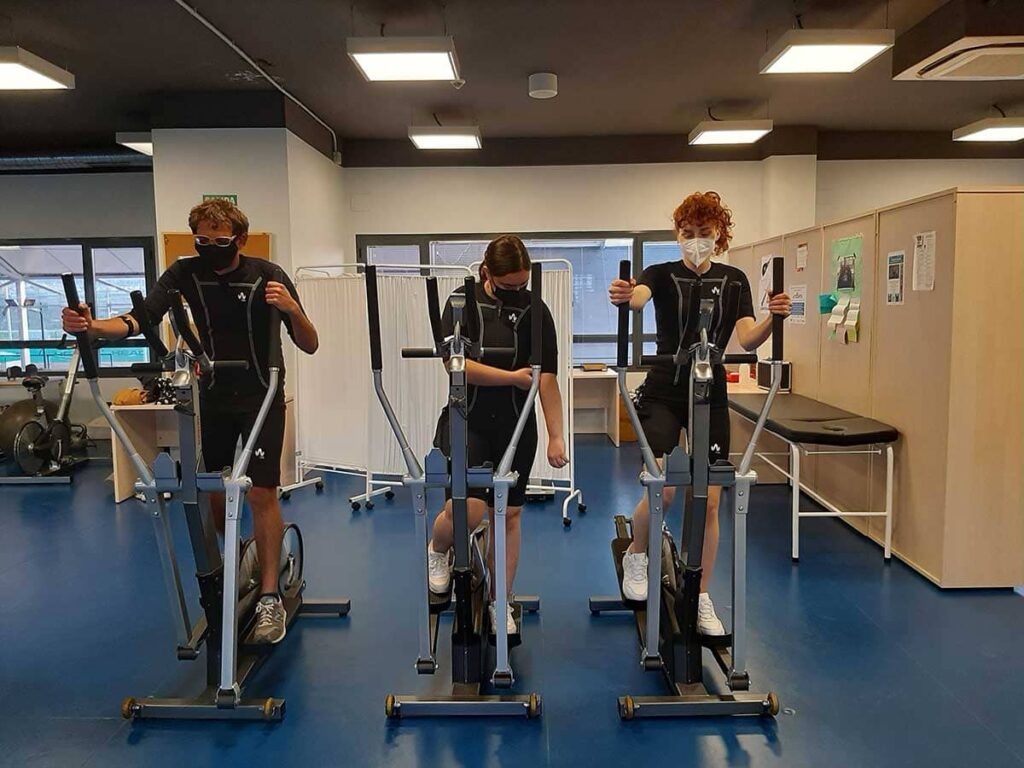
On several occasions, we have analyzed how whole-body electrostimulation affects different sports like crossfit, running or golf. Aerobic exercise, together with strength exercise, are the two main pillars of sports practice, whether for fun, performance or entertainment (1). Both variables indicate, in a global way, a person’s health and physical fitness (2). This time, we […]
Creatine kinase and electrostimulation: Can electrostimulation training cause muscle damage?
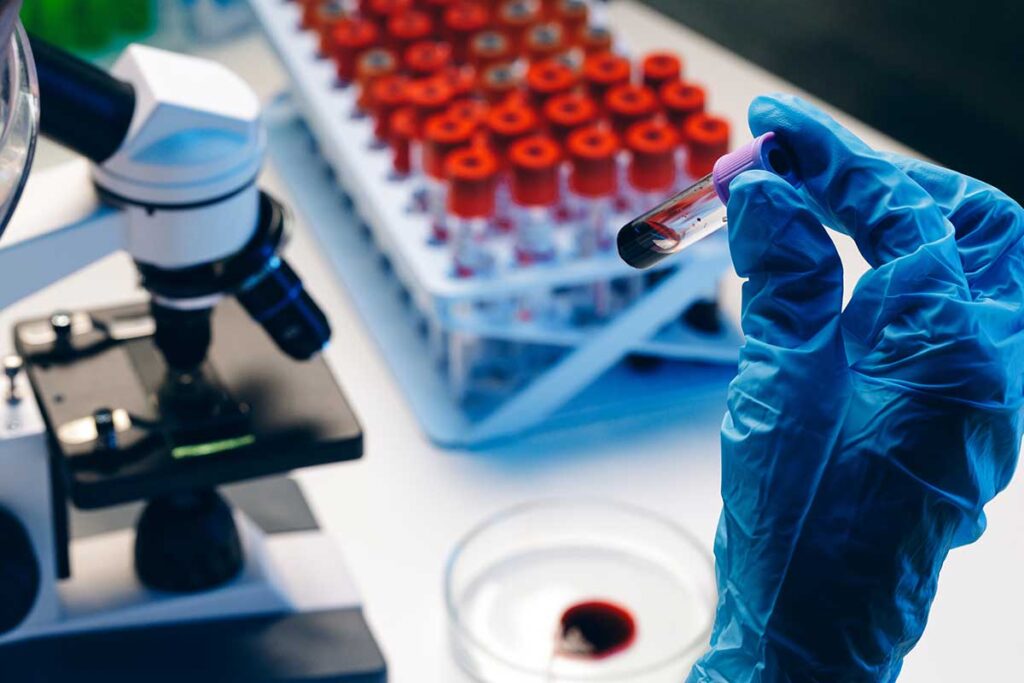
In previous posts such as Visceral fat and transaminases, How does WB-EMS training affect body composition? and Improving Body Composition in Men with the WB-EMS, we analyzed the role that WB-EMS training has had on different variables, both health and aesthetic. Now, in this post, we are going to talk in depth about the type […]
The Effect of WB-EMS on Visceral Fat and Transaminases
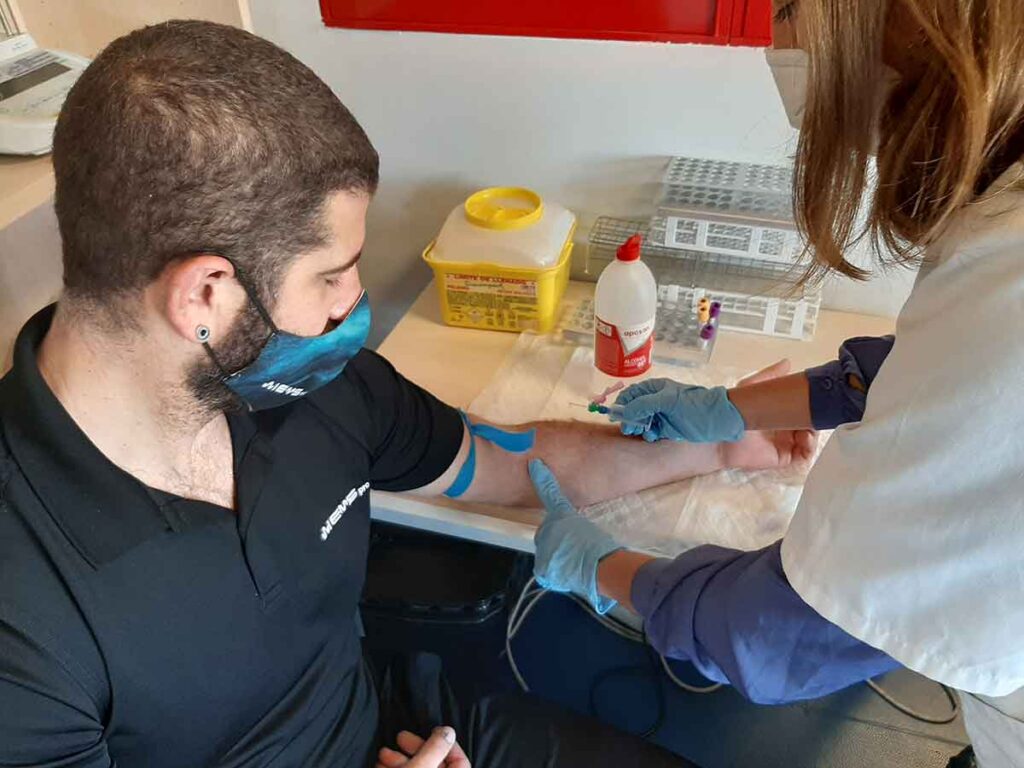
The liver and liver function are key health parameters. By contrast, higher visceral fat is related to poor organ function. The truth is that visceral fat, unlike subcutaneous fat or peripheral fat, is more relevant to health. Visceral fat deposits are known to cause systemic damage associated to diabetes, high blood pressure or cardiovascular disease. […]
Physical Condition: Improving Muscle Strength and Cardiovascular Fitness with WB-EMS
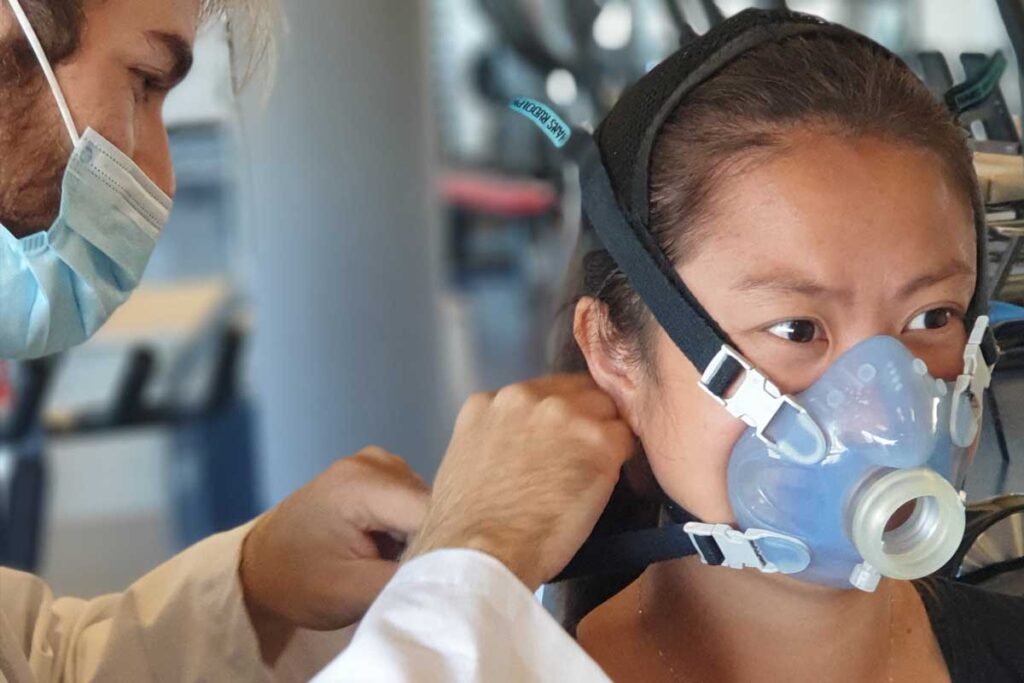
Strength levels and cardiovascular fitness are the two most important variables that determine a person’s physical condition. Physical fitness is considered a powerful marker of current and future health (1, 2). In fact, it has been shown that muscle strength is inversely associated with the risk of all-cause mortality regardless of other potential factors (3). […]
Improving Body Composition in Men with the WB-EMS
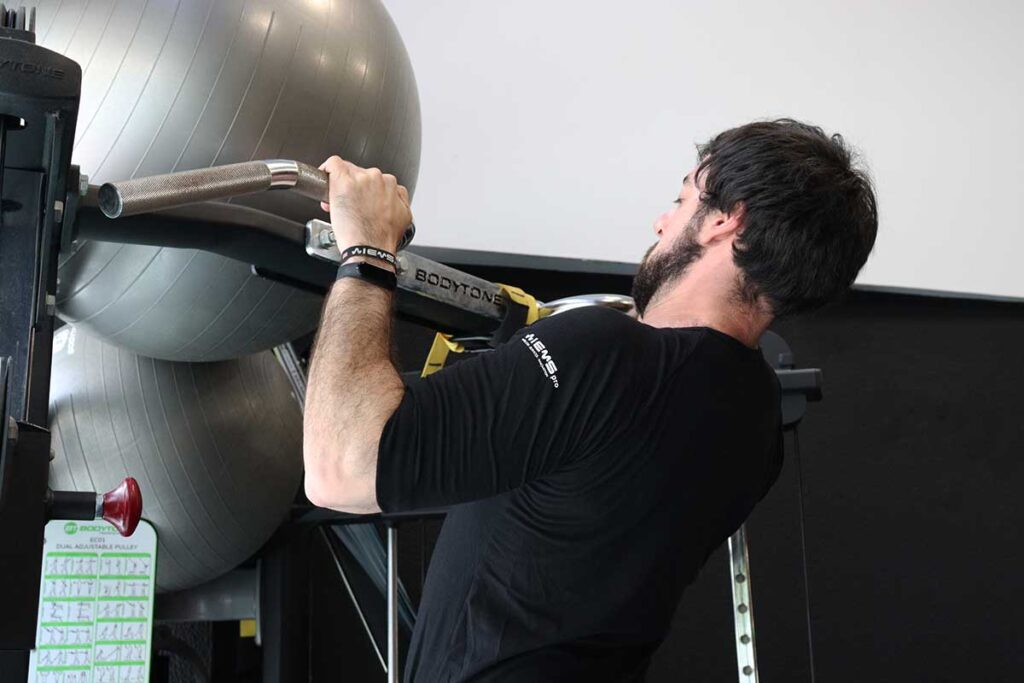
Body composition and strength levels are among the most recurring concerns in middle-aged adults. Men and women exercise with the goal of improving their personal and physical image in order to feel better. However, regardless of this current “concern”, physical exercise is a tool that helps you achieve, not only a better body composition, but […]
Impact of active recovery and whole-body electromyostimulation on blood-flow and blood lactate removal in healthy people
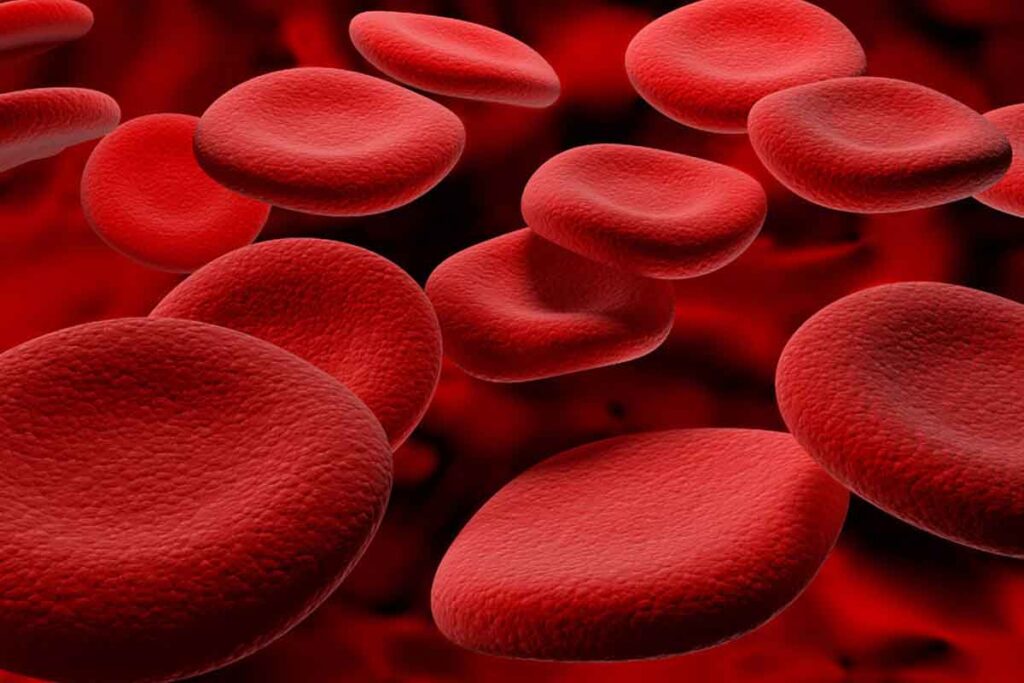
Low-frequency EMS has been used for rehabilitation and recovery for many years. EMS is thought to increase blood flow and accelerate the elimination of muscle metabolites (Lattier et al., 2004). EMS activates muscle pumps in the limb, resulting in increased flow and velocity of blood volume and capillary action (Tucker et al., 2010). Following […]
Effect of the combination of whole-body neuromuscular electrical stimulation and voluntary exercise on metabolic responses in human
Electrostimulation (NMES) can recruit high-threshold motor units and improve glycolysis, the combination of NMES and low intensity voluntary exercise would induce aerobic and anaerobic energy consumptions and this type of exercise could be more efficient and effective than conventional exercise. Therefore, the objective of this study was to investigate the metabolic responses and muscle fatigue during […]